



The rules of vulnerability management just changed. Not gradually, not theoretically, but right now, in ways that matter to every security architecture and engineering team.
Anthropic's announcement of Project Glasswing and Claude Mythos preview, a frontier AI model purpose-built for code analysis, represents a tipping point. Mythos and models like it can discover high-severity vulnerabilities in open source and proprietary software autonomously, at machine speed. We're not talking about incremental improvements to static analysis. We're talking about AI systems that find exploitable flaws faster than most organizations can triage them, let alone patch them.
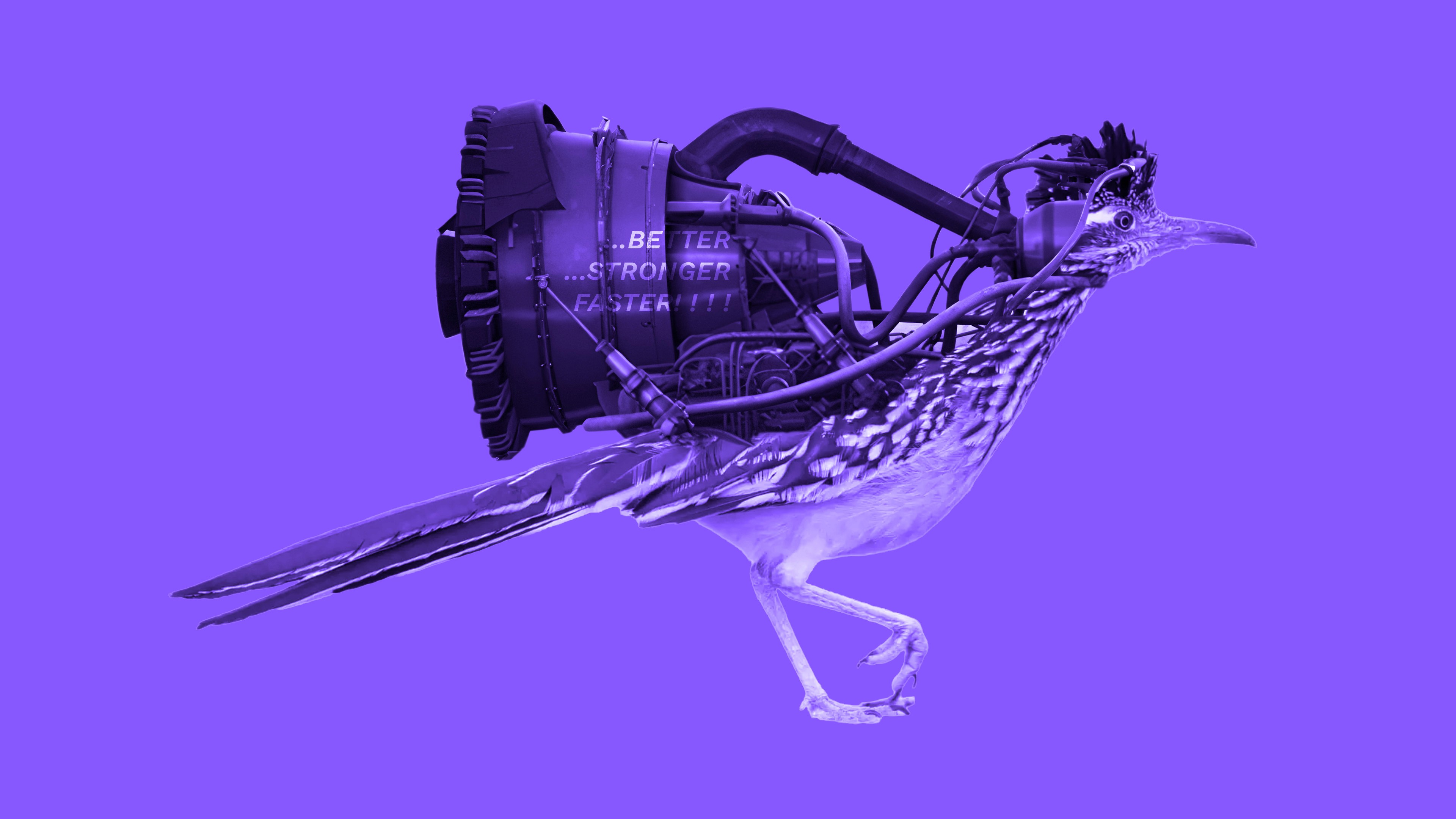
The time between a vulnerability being discovered and a working exploit appearing in the wild has been collapsing for years. AI just accelerated that collapse to near-zero. Security experts advise the use of AI agents to restore symmetry between attackers and defenders. Without that shift, the math doesn't work in your favor.
For security architecture and engineering teams, this isn't an abstract research problem. It's an operational one. And it exposes a gap that vulnerability scanners, SIEMs, and SOARs were never designed to close.
The Last Mile Is Where Workforce Device Vulnerability Management Breaks Down
Here's the hard truth: detection was never the hard part. Your scanners find the vulnerabilities. Your vulnerability management tools prioritize them. For workforce devices, the problem is what happens next.
Workforce devices are in the wild. They're on kitchen tables, in coffee shops, on airport Wi-Fi, sometimes offline for days. They're not sitting in a rack where you can push a patch and move on. Chasing them down is hard enough. But the bigger problem is that workforce device vulnerability remediation depends on two things your current security stack can't do on its own: knowing exactly who owns every device, and getting that person to actually act.
The device attribution problem. Most enterprise ITAM tools deliver around 70% accuracy on asset-owner attribution at a fine-grained level. That means for nearly a third of your fleet, when a critical vulnerability hits, your team doesn't know who to contact. Mean time to attribute (MTTA) stretches from days to weeks as analysts manually correlate data across endpoint device management, EDR, identity, and vulnerability scanners. Security teams don't have the bandwidth to chase down employees, map devices to owners, and corral the people who missed patching their laptops. In a world where exploit timelines are measured in hours, that delay is a breach window.
The employee action problem. Even when you know who owns the device, the remediation workflow is fundamentally broken. AI can now discover, exploit, and fix vulnerabilities at machine speed. Employees can't. They operate at human speed, and a patch is almost always an interruption in their flow of work. Security creates a ticket. IT routes it. The employee who needs to act never sees it, or ignores it. Average resolution time: 5+ days. Traditional email-based prompts get ignored 90% of the time. Meanwhile, 40% of breaches trace back to unpatched known vulnerabilities.
Your scanners are doing their job. The last mile between detection and a verified fix is where everything falls apart. And with AI-discovered vulnerabilities about to flood the pipeline, that last mile just got a lot longer.
Closing the Gap Requires a Different Architecture
If the bottleneck is human, the solution has to engage humans. Not through more tickets. Not through another dashboard nobody checks. Through direct, intelligent, automated conversations that meet employees where they already work.
This is exactly what Amplifier is built to do.
See Everything: Device Attribution That Actually Works
Amplifier's Human Risk Graph ingests telemetry from dozens of native integrations, including Jamf, Intune, CrowdStrike, Okta, Tenable, and more, normalizing and mapping every device and identity to its human owner in a persistent, real-time knowledge graph.
When attribution is uncertain, Amplifier's AI agent, Ampy, automatically reaches out to the likely owner through Slack or Teams to confirm. The result: 99% asset-owner attribution accuracy and MTTA reduced from weeks to under one day. No scripts, no spreadsheets, no stale data.
Purpose-built security tooling compliance dashboards instantly answer "who is missing what" for any auditor, without a single manual report.
Close the Loop: From Detection to Verified Fix
When a critical CVE lands on an employee's device, Amplifier doesn't require opening a ticket, though it can follow your established processes. It initiates a direct, personalized conversation with the device owner in Slack or Teams. The AI agent explains the risk in plain language, provides one-click remediation actions, and offers calendar-based scheduling so the employee resolves it on their terms, not on a timeline that disrupts their workday.
Amplifier then verifies the fix against the upstream vulnerability scanner and closes the finding. Closed loop. No chasing.
The numbers tell the story:
Response time: From 5+ days to minutes with AI-driven engagement
Self-healing rate: 98.8% on vulnerability findings in production environments
Employee compliance: 5x increase compared to traditional email-based prompts
End-to-end integration: Native connectors to Tenable, CrowdStrike, Rapid7, Jamf Protect, and Automox for full remediation orchestration
The Playbook: Get Ahead of the Wave
Mythos is the first wave, not the last. The volume and velocity of AI-discovered vulnerabilities will only increase. The organizations that build the operational muscle to remediate at machine speed now will meet the next wave on their terms. The ones still routing patches through ticket queues will not.
Amplifier isn't asking you to rip out your existing stack. It's the missing layer that makes your scanners, your EDR, your identity provider, and your endpoint management tools actually effective at the point that matters most: getting a human to act.
Think of it as the control plane for the human attack surface. Unified visibility into who owns what, AI-powered engagement that closes the remediation gap, and continuous proof that it's working, all from a single platform that sits on top of what you already have.
See It in Action
The gap between what your security stack finds and what actually gets fixed is where risk lives. Amplifier helps you close it.
This interactive demo shows how Ampy, the AI security engineer, helps employees close CrowdStrike vulnerabilities on their devices through friendly, one-on-one guidance with clear patch actions and step-by-step instructions.
It rapidly solves the problem of critical security patches sitting in deployment queues for months while IT teams struggle to coordinate updates across thousands of devices.
Frequently Asked Questions
What does Anthropic's Mythos release mean for enterprise vulnerability management?
Mythos and similar frontier AI models can discover high-severity vulnerabilities in open source and proprietary software autonomously, which is expected to dramatically increase the volume of disclosed vulnerabilities and compress the window between discovery and exploitation. For enterprise security architecture and engineering teams, this means traditional vulnerability management workflows, which depend on ticket-based handoffs and manual employee follow-up, will fall further behind. Programs built to patch within SLA windows of days or weeks will need to shift to hours. The organizations that adopt AI-driven engagement and remediation now will be positioned to absorb the wave of AI-discovered vulnerabilities without proportional increases in headcount or toil.
Why does it take so long to patch vulnerabilities on employee laptops?
Patching employee laptops is slow because the remediation workflow depends on two things most security stacks can't do on their own: accurately attributing devices to owners, and getting those owners to take action. Enterprise ITAM tools typically achieve only around 70% asset-owner attribution accuracy at a fine-grained level, so security teams spend days or weeks correlating data across endpoint management, EDR, identity, and vulnerability scanners just to identify the right person. Once identified, employees receive tickets or emails that are ignored 90% of the time, pushing average resolution time past five days. Closing this gap requires AI agents that engage employees directly in the tools they already use, such as Slack or Teams, with clear context and one-click remediation.
How can AI agents help reduce mean time to patch?
AI agents reduce mean time to patch by replacing ticket queues and email chains with direct, personalized conversations that guide employees to resolve vulnerabilities on their own devices. Instead of routing a finding through IT, an AI agent matches the vulnerability to the device owner, explains the risk in plain language, offers one-click remediation actions with calendar-based scheduling, and verifies the fix against the upstream scanner. Organizations using this model see response times drop from 5+ days to minutes, self-healing rates above 98%, and a 5x increase in employee compliance over traditional email-based prompts. This closed-loop approach is what security experts now recommend to restore symmetry between AI-driven attacks and human-speed defense.
Latest Blogs
Related Blogs & News
Watch
