
Automation has become a key driver of efficiency and productivity across cybersecurity. From SIEM to SOAR, security teams are deploying an ever-growing number of automation tools to streamline operations. But despite advances in machine learning and AI, there are still tasks that require human involvement.
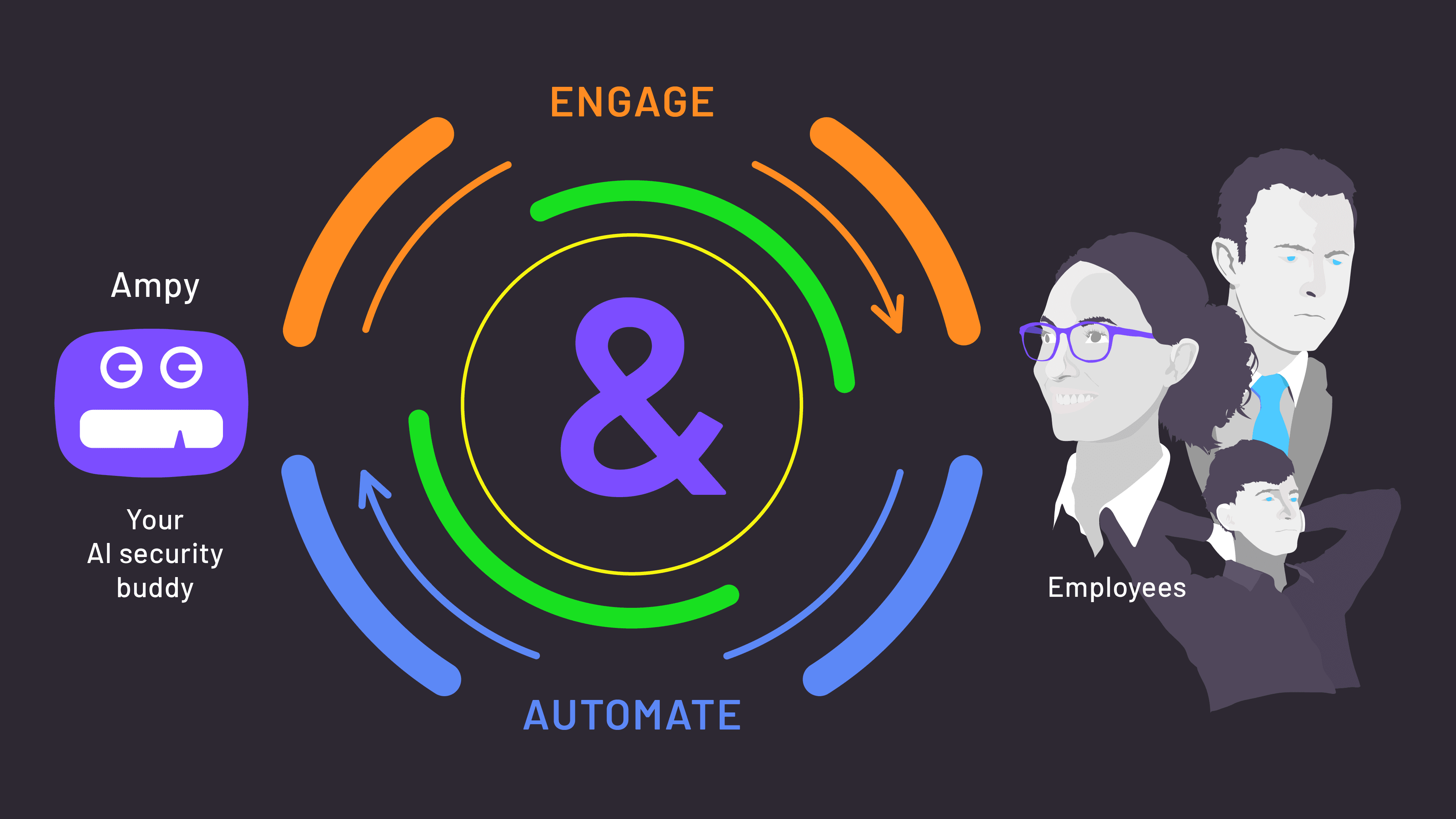
Because of this, CISOs are increasingly taking a human-in-the-loop approach to automation. This combines the efficiency and power of machines with necessary human context and expertise. Rather than try to eliminate human involvement in security actions, human-in-the-loop systems build human interaction into the automation process. The result is more empathetic and contextualized security controls.
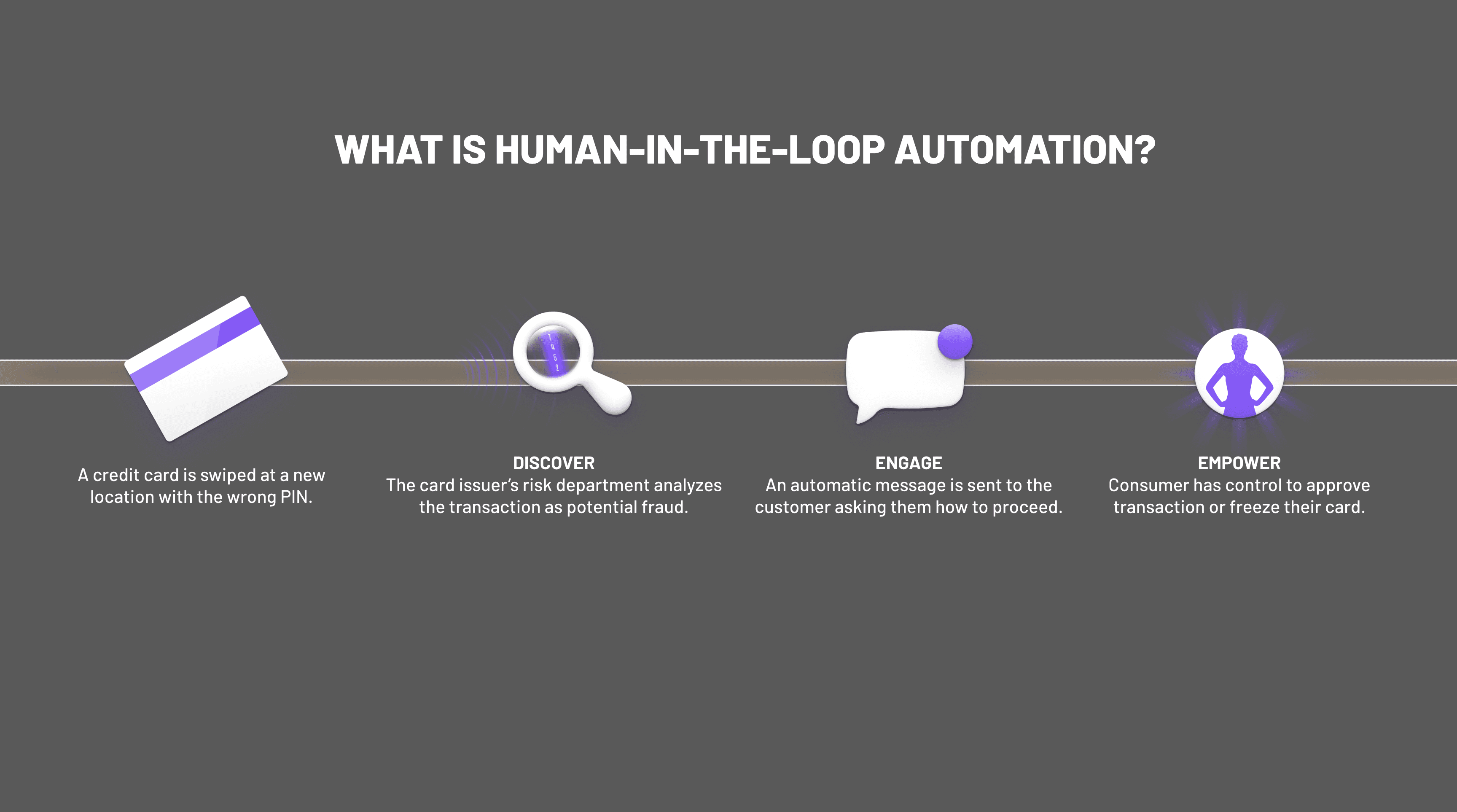
What is Human-in-the-Loop Automation?
Human-in-the-loop automation occurs when humans play a role in automated processes. Machines or algorithms perform tasks such as analyzing data signals, prioritizing incidents, and triaging alerts, and then automatically engage humans to drive the process forward when needed.
The feedback and direction from human participants guides the automation’s actions. This is compared to fully autonomous systems, which operate independently of human input.
Ge Wang, an Associate Professor at Stanford University describes human-in-the-loop automation as a “process that harnesses the efficiency of intelligent automation while remaining amenable to human feedback, all while retaining a greater sense of meaning.”
It requires a shift in mindset. “Instead of thinking of automation as the removal of human involvement from a task,” he urges readers to reframe it as the “selective inclusion of human participation.”
Human-in-the-Loop Automation in Human Risk Management
Human-in-the loop systems efficiently execute automated tasks, while enabling and integrating human feedback at key checkpoints. In the world of human risk management, one manifestation of this has been agentic tools and security copilots.
“Security copilots offer users a general interface to interact with an AI to answer questions, form detections or queries, summarize reports and several other tasks spread across the security organization,” wrote Brandon Dixon, Partner AI Strategist at Microsoft. “Their primary value proposition is using natural language to stitch together the fragmented security ecosystem.”
When it comes to AI agents, some may assume the more autonomous the better. But that doesn’t capture the nuance of security processes in the context of a larger business.
Take endpoint security. We could fully automate patch updates, simply forcing all vulnerable computers to restart. This might solve the security issue, but would also interrupt productivity and frustrate employees whose computers shut off during important work. Alternatively, we could automatically engage with employees using an AI security copilot to provide information, answer questions, and allow them to schedule a resolution time that works for them.
Benefits of Human-in-the Loop Automation
As your security stack grows, some tools might conflict or gradually drift out of configuration, and coverage gaps emerge. Alerts come in from different places and often don’t get proper attention, leaving areas of your organization vulnerable.
Human-in-the-loop solutions can automatically analyze data from across your security stack, prioritize findings, and work with employees to triage alerts and mitigate human risk. This has several key benefits for security practitioners:
Reduces manual work and saves countless hours chasing down employees across multiple platforms to resolve security issues
Maximizes effectiveness of existing security tools and resolves security issues faster, strengthening security health
Improves security culture by providing empathy and context, empowering employees to participate in their own security
Ultimately, taking a human-in-the-loop approach enables an organization to mitigate human risk. They can continuously monitor security systems, detect vulnerabilities, and remediate risk in real-time. It facilitates collaboration that leads to independent action and allows employees the opportunity to provide context on a given issue, potentially leading security teams to adjust their response.
Achieve Self-healing Security and Mitigate Human Risk
Without humans in-the-loop, security automation is just another siloed, disruptive process that gets in the way of employees’ productivity. But with human participation, it can harness the power of your workforce to mitigate human risk.
This means helping employees to understand the meaning behind security controls, encouraging them to actively contribute information, and empowering them to take action. With human-in-the-loop automation, security practitioners can maximize the potential of AI and automation while incorporating important context that only humans can provide. The result is a great step forward in the realm of human risk management, enabling machines and humans to work together to optimize their organization’s security posture.
Frequently Asked Questions
What is human-in-the-loop automation?
Human-in-the-loop automation is a security approach where machines handle tasks like analyzing signals, prioritizing incidents, and triaging alerts, then automatically engage a human when judgment or context is needed. Feedback from that human participant guides what the automation does next, rather than removing people from the process entirely.
How is human-in-the-loop automation different from fully autonomous automation?
Fully autonomous systems act independently of human input once triggered, such as forcing every vulnerable computer to restart regardless of what an employee is doing. Human-in-the-loop systems instead pause at key checkpoints to bring in human feedback, combining machine efficiency with the context only a person can provide.
Why are CISOs adopting human-in-the-loop automation instead of full automation?
CISOs are moving toward human-in-the-loop automation because pure automation can solve a security problem while creating a productivity problem, like shutting down an employee’s computer mid-task to force a patch. Human-in-the-loop approaches let security teams resolve the same issue while giving employees context and a say in timing.
What are security copilots, and how do they relate to human-in-the-loop automation?
Security copilots are AI interfaces that let users ask questions, build detections and queries, and summarize reports in natural language, stitching together a fragmented security ecosystem. They’re one common form of human-in-the-loop automation in human risk management, pairing AI-driven analysis with ongoing human interaction and oversight.
Why is full automation risky for tasks like endpoint patching?
Forcing every vulnerable device to restart and install a patch resolves the vulnerability but can interrupt employees mid-task, damaging productivity and trust in security tooling. A human-in-the-loop alternative uses an AI security copilot to inform the employee and let them schedule the fix at a time that works for them.
What are the benefits of human-in-the-loop automation for security teams?
Human-in-the-loop automation reduces the manual work of chasing employees across platforms to resolve issues, gets more value out of existing security tools by triaging and resolving alerts faster, and improves security culture by giving employees context and a role in fixing problems instead of just being blamed for them.
How does human-in-the-loop automation improve security culture?
It replaces one-way enforcement, alerts and mandates handed down to employees, with two-way engagement that explains why a control matters and invites employees to provide context on a given issue. That empathy and context can lead security teams to adjust their response and gives employees a genuine stake in their own security.
What does “self-healing security” mean in the context of human-in-the-loop automation?
Self-healing security describes a system that continuously monitors for vulnerabilities, detects them, and remediates risk in real time by combining automated detection with human-in-the-loop engagement. Rather than automation working in isolation, machines and employees collaborate so problems get fixed as they’re found, not stuck in a backlog.
Latest Blogs
Related Blogs & News


Watch